
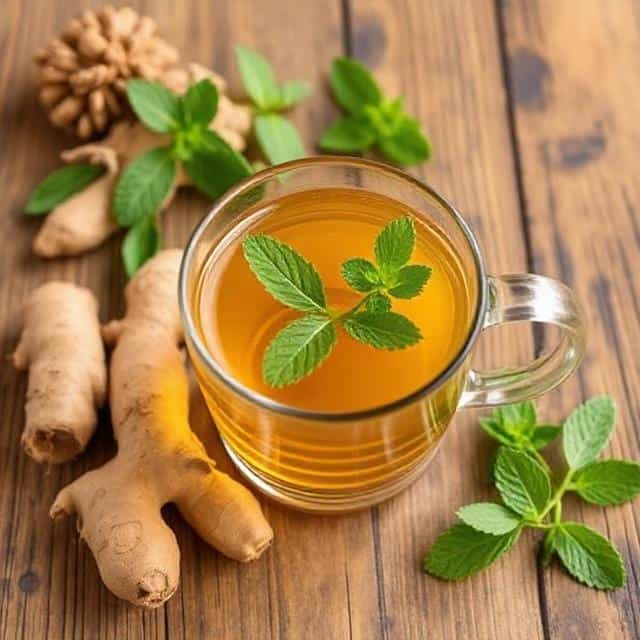
Digestive discomfort is something almost everyone experiences at some point in life. Whether it’s bloating after a heavy meal, mild nausea, or indigestion, finding a natural way to ease these symptoms can make a big difference. Among the many herbal solutions, peppermint and ginger tea stands out as a powerful, time-tested remedy. This soothing blend is not only delicious but also packed with therapeutic benefits that support digestive health.
The Power of Peppermint
Peppermint has been used for centuries in traditional medicine to ease stomach troubles. The menthol present in peppermint acts as a natural muscle relaxant for the digestive tract, helping food move smoothly through the system. This can reduce bloating, gas, and abdominal discomfort. Drinking peppermint tea after meals is a simple yet effective way to keep indigestion at bay.
Additionally, peppermint has cooling properties that calm irritation in the gut lining. If you’ve ever experienced acid reflux or heartburn, sipping warm peppermint tea may provide noticeable relief. Beyond digestion, peppermint also refreshes breath and promotes a sense of relaxation, making it an all-round herbal superstar.
The Benefits of Ginger
Ginger is another powerhouse herb often recommended for digestive support. Known for its warm, spicy flavor, ginger stimulates the production of digestive enzymes that help break down food more efficiently. This not only eases bloating and cramping but also supports nutrient absorption.
One of ginger’s most well-known benefits is its ability to relieve nausea. Whether it’s morning sickness, motion sickness, or nausea caused by indigestion, ginger tea can help settle the stomach naturally. Furthermore, its anti-inflammatory properties reduce irritation in the digestive tract, helping restore balance and comfort.
A Perfect Combination for Digestive Relief
When combined, peppermint and ginger create a dynamic duo for digestive wellness. Peppermint relaxes the digestive muscles and soothes discomfort, while ginger boosts enzyme activity and fights inflammation. Together, they provide both immediate relief and long-term support for gut health.
This tea blend is also caffeine-free, making it a safe option for people of all ages to enjoy anytime during the day. You can drink it hot to relax after a heavy meal or chilled as a refreshing digestive tonic in warmer weather.
How to Make Peppermint and Ginger Tea at Home
Making this herbal tea is simple:
-
Ingredients:
-
1 teaspoon dried peppermint leaves (or a fresh sprig)
-
1 teaspoon grated fresh ginger (or ½ teaspoon dried ginger)
-
1–2 cups of hot water
-
Honey or lemon (optional, for taste)
-
-
Method:
-
Add ginger to boiling water and let it simmer for 5–7 minutes.
-
Remove from heat and add peppermint leaves.
-
Cover and steep for another 5 minutes.
-
Strain into a cup, add honey or lemon if desired, and enjoy.
-
Final Thoughts
Peppermint and ginger tea is more than just a comforting beverage—it’s a natural remedy for digestive relief. With peppermint’s calming effects and ginger’s stimulating properties, this tea offers a balanced approach to easing bloating, indigestion, and nausea. Incorporating this blend into your routine is a simple, delicious way to support better digestion and overall well-being.